
How to prioritize defects when everything Is critical?
A guide to defect prioritization for teams struggling with fake emergencies

If you are anywhere from North America or have lived here for some time, then you might remember the Homeland Security Advisory System?
After 9/11, the US government introduced a colour-coded threat level to tell Americans how scared to be on any given day. Green meant "low risk." Red meant "severe."
It was a clean, simple communication tool.
Nevertheless… it failed!
Why?
Because the threat level sat at Yellow ("Elevated") for essentially its entire existence.
It never ever dropped to Green or ever hit Red. It just… hovered in the upper-middle of the scale, permanently, for years, until the government quietly replaced it in 2011 because people stopped paying attention to it.
It failed because a label that’s always “Yellow” communicates nothing.
I bring this up because there's a very good chance your engineering team is running its own version of the Homeland Security Advisory System right now, except instead of terror threats, it's defects.
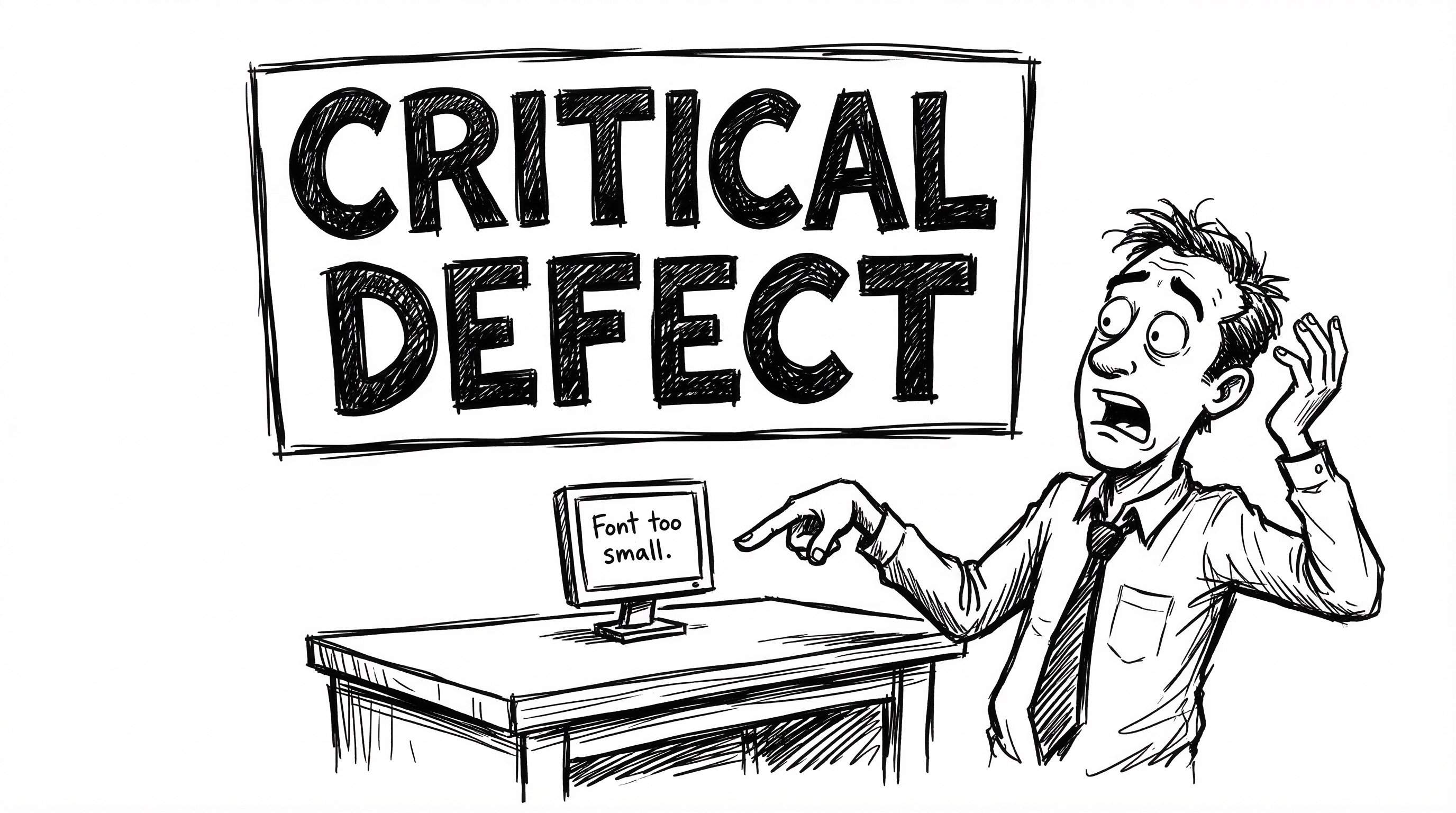
Just like the terror threat level was mostly “Yellow,” the defects are almost always Sev-1 (or P1) and critical.
“Critical” has become a catch-all label.
And once everything is critical, the team loses its ability to make trade-offs and decide what to fix first.
In this post, I discuss how I have seen mature teams address this problem.
This will be followed by the Weekly Recipe on the coming Sunday, which you can download and apply directly to your team.
Let’s get started.
Got an urgent question?
Get a quick answer by joining the subscriber chat below.
